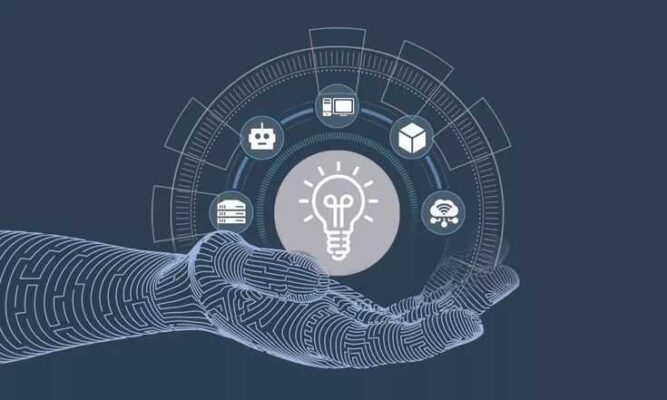
Introduction: Living in a Technology-Driven World
Technology has become one of the most powerful forces shaping modern life. From smartphones and laptops to artificial intelligence and smart devices, technology is everywhere. It helps us communicate instantly, work efficiently, learn faster, and access information within seconds. What once seemed impossible is now part of everyday routine. However, as technology becomes more advanced, our reliance on it continues to grow. This raises an important concern: are we benefiting from technology, or are we becoming too dependent on it?
How Technology Has Slowly Entered Every Aspect of Life
Technology did not take control overnight. It entered our lives gradually, offering convenience and comfort. Mobile phones replaced landlines, apps replaced physical services, and digital platforms replaced manual systems. Today, even a short power cut or internet failure feels like life has stopped. This level of dependence shows how deeply technology has integrated into our lifestyle. Instead of using technology as a tool, we now design our routines around it.
In daily life, technology manages almost everything for us. From waking up with an alarm to tracking fitness, managing finances, ordering food, and planning travel, we rely heavily on digital systems. Over time, this dependence reduces our ability to manage tasks independently and makes us uncomfortable without digital support.
Technology and the Human Brain
One of the biggest impacts of technology is on how humans think. Easy access to information has reduced the need to remember, analyze, and reflect. People now expect instant answers and quick results. Long thinking processes feel tiring, and patience is slowly disappearing.
Some noticeable effects on thinking include:
- Reduced memory usage because information is stored digitally
- Less critical thinking due to ready-made answers
- Shorter attention spans caused by constant notifications
Technology is training the brain to consume information quickly rather than understand it deeply.
Decision-Making in the Age of Algorithms
Modern technology does not just provide information; it influences decisions. Algorithms suggest what to watch, what to buy, what to read, and even who to follow. While recommendations save time, they also reduce independent decision-making. People often trust technology more than their own judgment. This silent influence shapes opinions, preferences, and behavior without us realizing it.
As dependency increases, humans may lose confidence in their ability to decide without digital guidance. This can affect creativity, originality, and personal growth.
Technology and Human Relationships
Communication has become faster, but emotional depth has decreased. Social media and messaging apps connect people across distances, yet real-life interaction is declining. Families sit together while scrolling on their phones. Friends chat online instead of meeting in person. Emotions are expressed through emojis instead of words.
Technology has changed relationships in many ways:
- Face-to-face conversations are becoming rare
- Emotional understanding is replaced by digital reactions
- Relationships feel more superficial and less meaningful
Human connection requires presence, attention, and empathy—things technology cannot fully replace.

Work Life and Digital Pressure
Technology has transformed workplaces by increasing efficiency and flexibility. Remote work, cloud systems, automation, and AI tools have made tasks faster and easier. However, this convenience has created new pressures. Employees are expected to be available at all times. Emails, messages, and notifications never stop.
This digital pressure leads to:
- Blurred boundaries between work and personal life
- Increased screen time and mental fatigue
- Stress and burnout due to constant connectivity
While technology improves productivity, it also demands more attention and energy.
Education and Learning in the Digital Era
Education has benefited greatly from technology. Online classes, digital libraries, and learning platforms have made education accessible to millions. However, learning habits have changed. Students rely heavily on videos, summaries, and quick answers. Reading deeply and thinking critically are becoming less common.
Technology has made learning easier, but it has also:
- Reduced concentration and focus
- Encouraged surface-level understanding
- Increased dependence on digital content
Education should build thinking skills, not just provide information.
Emotional and Psychological Dependence
Technology affects emotions more than we realize. Many people feel uncomfortable without their phones. Notifications, likes, and comments influence mood and self-worth. Social media creates unrealistic comparisons, leading to dissatisfaction and anxiety.
Psychological dependence on technology often results in:
- Anxiety when disconnected
- Fear of missing out
- Reduced ability to enjoy the present moment
This emotional attachment shows that technology is not just a tool—it has become a source of emotional validation.

Is Technology Really the Problem?
Technology itself is not harmful. It is a powerful creation meant to support human progress. The real problem lies in excessive and uncontrolled use. When technology replaces human effort, creativity, and interaction, it becomes a problem. Balance is the key. Technology should assist life, not control it.
Finding Balance in a Digital World
Reducing dependency does not mean rejecting technology. It means using it consciously. Setting boundaries, taking breaks from screens, and prioritizing real-life experiences can help regain control. When humans decide how and when to use technology, it becomes a strength instead of a weakness.
Conclusion: A Necessary Reality Check
Our dependence on technology is real and growing rapidly. While technology has brought comfort, speed, and innovation, it has also weakened self-reliance, deep thinking, and emotional connection. A reality check is essential to understand where technology supports us and where it controls us. The future should be technology-driven, but always guided by human values, awareness, and balance.


Alizay Ali is a skilled HR manager with two years of experience at AppVerse Technologies. With her strong interpersonal skills and expertise in talent acquisition, employee engagement, and HR operations, she plays a pivotal role in fostering a positive and productive work environment. She with a passion for learning and a drive to succeed, she eagerly embraces new challenges and is poised to make her mark in the ever-evolving world of technology